
Ceramic Coatings in Houston, TX
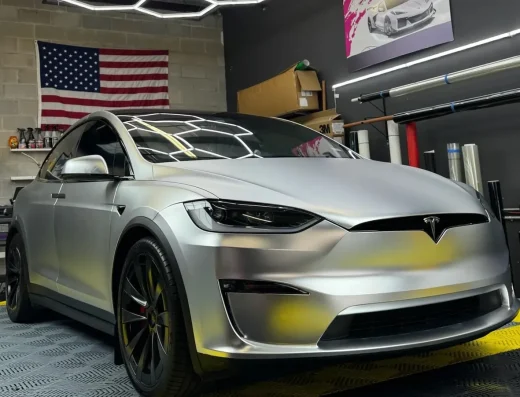
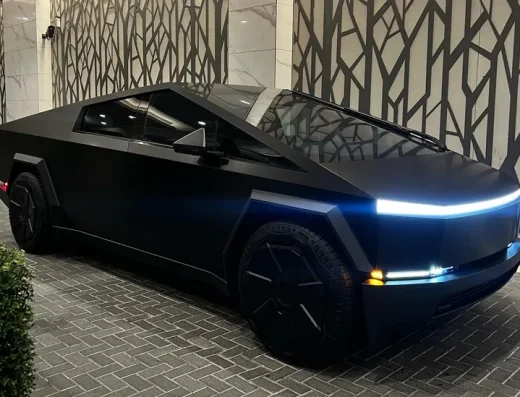
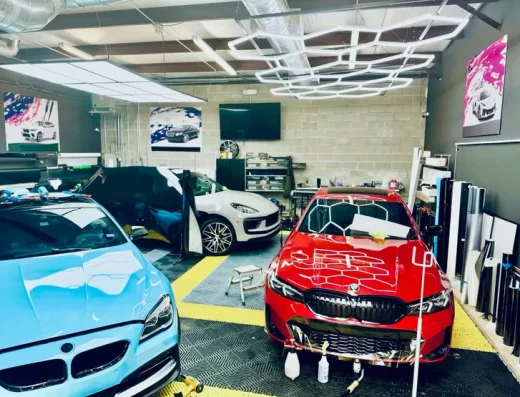
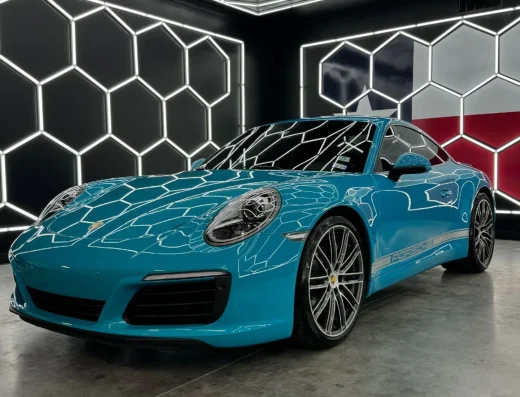
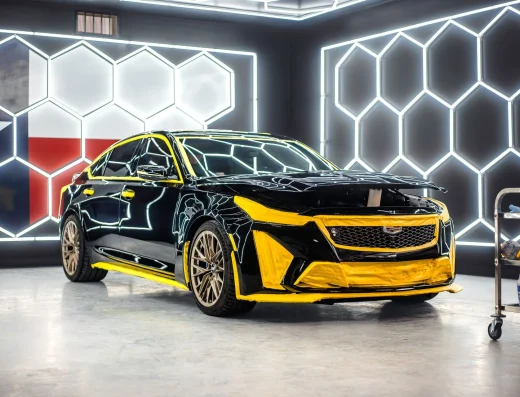
Ceramic Coating Installers in Houston, TX
Trying to keep a black truck or a dark sedan clean in Houston is a full-time job. You wash it on Saturday morning, and by Sunday afternoon, it’s already covered in a fine layer of dust or that sticky yellow pollen that coats the entire city every spring.
If you rely on traditional carnauba wax or dealership sealants, you’re fighting a losing battle. The humidity and the surface temperature of your car in July will evaporate a standard wax job in about three weeks. That’s why ceramic coatings have become the standard here—not because they are magic, but because they are the only thing that survives the environment.
Battling Industrial Fallout and UV Damage
Houston isn't just hot; it’s an industrial city. If you drive near the Ship Channel, Pasadena, or down 225, your paint is getting hit with industrial fallout and rail dust constantly. These microscopic iron particles embed themselves into your clear coat and start to rust, creating those tiny orange specks you see on white cars.
A proper ceramic coating creates a semi-permanent, chemical bond with your paint. It fills in the microscopic pores of the clear coat so that dirt, oil, and fallout sit on top of the surface rather than digging into it. When that heavy Gulf Coast rain hits—or when you inevitably drive through high water on a flooded feeder road—the water beads up and slides off, taking a lot of that grime with it.
What a Coating Actually Does (And Doesn't Do)
There is a lot of bad marketing out there, so let's be real about what you are buying.
-
It IS: A hardened, glass-like layer that makes your paint incredibly slick, deepens the gloss, and makes washing your car 10x easier. You can often clean a coated car with just a pressure washer and a blower.
-
It IS NOT: A forcefield. It will not stop rock chips from a dump truck on I-45 (you need PPF for that). It will not prevent scratches if you run it through a brush-style automatic car wash.
The Real Cost of Ceramic Coating in Houston
The price tag usually shocks people because they think they are paying for a "product." You aren't. You are paying for labor.
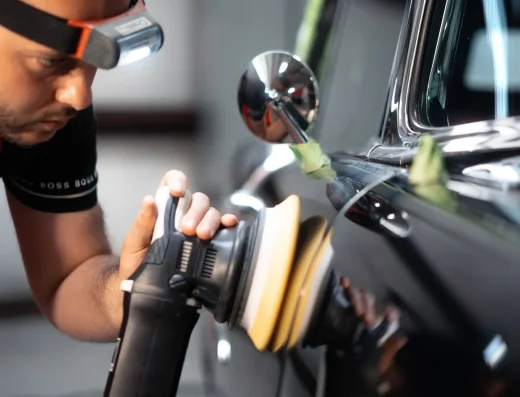
To bond correctly, the paint has to be surgically clean. That means a clay bar treatment to pull out that industrial fallout, and then "Paint Correction" (polishing) to remove swirl marks. If you coat over a scratched car, you just seal the scratches in forever.
-
1-Year "Sport" Coatings ($300 - $600): Good for a quick gloss boost, but don't expect miracles.
-
3-5 Year Professional Coatings ($900 - $1,800+): This is the real deal. The price variance depends heavily on how bad your paint is right now. A brand new truck might need $400 of prep work; a 5-year-old black sedan might need $1,200 of polishing before the coating even touches the paint.
If a detailer offers to coat your car for $400 and says it will last 5 years, they are lying. They are likely spraying on a silica sealant that will wash off in a month. Real ceramic requires hours of prep and typically needs to cure indoors, away from the humidity, for at least 12–24 hours.
Finding a Reputable Detailer
Since the barrier to entry is low, there are a lot of guys with a polisher and a bottle of Amazon coating claiming to be pros. You need a shop that understands Houston’s specific climate challenges—someone who knows how to apply these coatings without them "flashing" (drying) too fast in the heat.
Compare Houston’s Top Installers on WrapMatchPro
We created WrapMatchPro to highlight the serious professionals. We list the shops that have climate-controlled bays, proper lighting for paint correction, and certifications from major brands like Ceramic Pro, Gtechniq, or Feynlab. Check out their profiles, look at their recent paint correction work, and find a detailer who will treat your vehicle right.