
Tesla Wrap Guide 2026: Costs, Colors, PPF vs Vinyl & How to Find a Shop
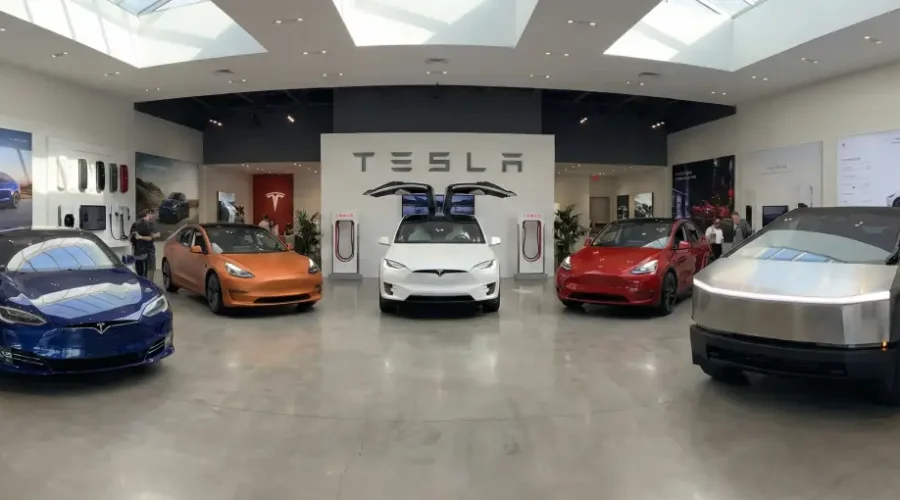
Tesla vehicles represent the cutting edge of automotive technology, but when it comes to factory paint options, the choices remain notoriously limited. If you drive a Model 3 or Model Y, you have likely experienced the phenomenon of losing your vehicle in a parking lot filled with identical “Pearl White Multi-Coat” or “Stealth Grey” cars.
A custom Tesla wrap is the ultimate solution to this problem. It allows you to completely transform the personality of your vehicle in a matter of days, rather than waiting weeks or months for a custom factory order. Beyond aesthetics, a wrap serves a highly practical purpose: it acts as a protective shield against minor abrasions, UV damage, and everyday wear and tear, keeping your original paint pristine underneath.
Whether you are looking for a complete color change, want to upgrade to the new trend of Colored PPF, or simply need to hide the factory chrome on an older model, this comprehensive guide covers everything you need to know. We will break down exactly what a Tesla wrap costs in 2026, the most popular styles, maintenance requirements, and how to find an installer who truly understands the nuances of Electric Vehicles.
1. Why Wrap Your Tesla? (Beyond Just Color)
While a striking new color is the primary reason most owners explore vehicle wraps, the benefits extend far beyond surface-level aesthetics. Here is why wrapping a Tesla has become a standard upgrade for new owners.
- Essential Paint Protection: Tesla’s factory paint is widely considered to be on the thinner side compared to legacy luxury automakers. A vinyl wrap provides a durable, 3-to-5 mil thick barrier against light scratches, door dings, bird droppings, and UV fading.
- Endless Customization: Factory paint is typically limited to standard gloss finishes. A wrap opens the door to hundreds of unique finishes, including matte, satin, metallic, color-shifting (chameleon), and even textured finishes like brushed titanium or carbon fiber.
- Quick Turnaround Time: A professional wrap installation usually takes just 3 to 5 days. Compare this to a custom aftermarket paint job, which can take weeks, costs significantly more, and permanently alters the vehicle.
- Preserved Resale Value: Because the original paint is protected beneath the vinyl, removing the wrap before selling the vehicle reveals a factory-fresh finish. In the used EV market, pristine original paint is a massive selling point that can increase your resale value.
- Fully Reversible: If you decide you want a new color in three years, or if you are returning a leased vehicle, the wrap can be safely removed by a professional without damaging the OEM clear coat.
2. 2026 Tesla Wrap Cost Breakdown by Model
Tesla Wrap Cost (2026) — Quick Answer
- Model 3: $2,500 – $3,800
- Model Y: $2,800 – $4,200
- Model S: $3,200 – $4,800
- Model X: $3,500 – $5,200
- Cybertruck: $3,400 – $4,800+
👉 Most Tesla owners pay $3,000 – $5,000
“How much does it cost to wrap a Tesla?” The answer depends heavily on the specific model, the vehicle’s surface area, the complexity of its curves, and the labor required for a seamless, paint-like installation.
Below are the estimated 2026 market averages for professional installation using premium materials (like 3M, Avery Dennison, or Inozetek).
Tesla wrap prices vary based on:
- vehicle size
- wrap material (3M, Avery, Inozetek)
- installer experience
- location
Here’s what you can realistically expect:
Tesla Wrap Cost by Model (2026)
| Tesla Model | Full Wrap Cost | Chrome Delete Cost | Vehicle-Specific Installation Notes |
| Model 3 | $2,500 – $3,800 | $400 – $700 | The most straightforward install. Requires the lowest material volume (approx. 230–260 sq ft). |
| Model Y | $2,800 – $4,200 | $500 – $800 | Larger surface area and taller profile than the Model 3, but highly standardized for experienced shops. |
| Model S | $3,200 – $4,800 | $500 – $800 | Sweeping curves, a long hood, and an intricate front fascia require additional stretching precision and labor hours. |
| Model X | $3,500 – $5,200 | $600 – $1,000 | The largest standard model. The famous Falcon-Wing doors and complex roof seams require a significant labor premium. |
| Cybertruck | $3,400 – $4,800 | N/A | Stainless steel requires specialized surface prep and specific adhesion techniques compared to clear-coated paint. |
Note: If you are only looking for a partial wrap (such as a blacked-out hood, roof, and mirrors), costs typically range from $1,500 to $2,500 depending on the model and material. Read our full guide on car wrap cost for detailed state-by-state breakdown.
3. Top Trending Tesla Wrap Colors for 2026
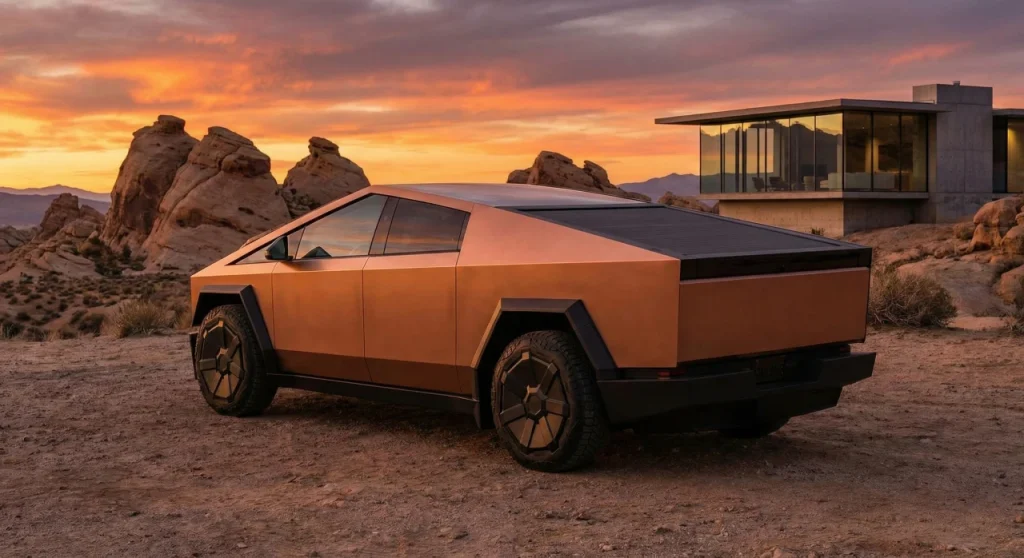
Choosing a wrap color is the most exciting part of the process. In 2026, we are seeing a shift away from overly flashy neon colors toward sophisticated, premium finishes that enhance the sleek, minimalist lines of the Tesla lineup.
The Stealth & Matte Aesthetic
- Satin Black & Matte Black ($2,500 – $3,800): This remains the undisputed king of the Tesla wrap world. It gives the vehicle an aggressive, stealthy, and modern look. Satin black is generally preferred over true matte black because its slight sheen makes it easier to clean and better at hiding minor dust and swirl marks.
- Nardo Gray / Matte Battleship Gray ($2,600 – $3,900): A massive trend in tech hubs and major cities. This flat, non-metallic gray is understated, tech-forward, and pairs beautifully with dark aero wheels and tinted windows. It screams “modern luxury.”
Premium & Pearl Finishes
- Satin White Pearl ($2,800 – $4,000): A luxurious take on the standard factory white. The pearl finish adds incredible depth, catching the light dynamically. It provides a striking, high-contrast look when paired with a blacked-out trim package and tinted windows.
- Liquid Metallic Silver / Gunmetal ($2,700 – $3,900): These finishes mimic the look of liquid metal. They highlight the muscular curves of the Model 3 and Model S flawlessly, offering a highly professional appearance that looks factory-installed.
Bold & Unique Choices
- Color-Shift / Chameleon ($4,500 – $6,500+): For those who want their Tesla to be a true showstopper. These premium wraps actively change color—shifting from deep purple to teal, or emerald green to bronze—depending on the viewing angle and sunlight.
- Agate Green & Satin Chrome Oxide Red ($3,000 – $4,500): Deep, rich jewel tones are gaining massive popularity. A satin forest green or a deep silk red gives the vehicle an exclusive, European-luxury aesthetic that stands out in a sea of monochrome cars.
4. The Must-Have Upgrade: The Chrome Delete
If you own a pre-refresh Model 3, Model S, or Model X, your vehicle came from the factory with bright chrome trim around the windows, side mirrors, and door handles. While some owners love this traditional look, it often clashes with the sleek, futuristic design language of the vehicle.
What is a Chrome Delete?
A chrome delete is the process of applying a specialized vinyl wrap directly over these chrome accents, usually in a Satin Black or Matte Black finish. This effectively “deletes” the shiny metal, replacing it with a stealthy, unified look that matches the modern aesthetic of the newer Highland Model 3, Model Y, and Plaid editions (which now come with black trim from the factory).
Chrome Delete Pricing & Details
- Cost: Typically ranges from $400 to $800, depending on the model. The Model X is usually the most expensive due to the complexity of the door handles and window sweeps.
- Installation Time: It is a relatively quick process for a professional, usually taking just 2 to 4 hours.
- Why it Works: It is widely considered the highest-ROI visual upgrade you can make to an older Tesla. Deleting the chrome modernizes the car’s profile instantly, giving it a minimalist, cohesive appearance that looks incredibly premium.
5. Vinyl Wrap vs. Clear PPF vs. Colored PPF
It is crucial to understand the difference between styling your car and armoring it. In 2026, consumers have three main choices: standard Vinyl, traditional Clear PPF, and the highly popular new hybrid, Colored PPF.
Standard Vinyl Wrap
- Primary Purpose: Color change and aesthetic styling.
- Thickness: Typically 3 to 5 mils thick.
- Protection Level: Offers moderate protection against UV fading, light scratches, and chemical stains (like bird droppings). It will not protect against highway rock chips.
- Lifespan: 5 to 7 years with proper care.
- Cost: $2,500 – $4,200.
Clear Paint Protection Film (PPF / Clear Bra)
- Primary Purpose: Maximum physical protection for the factory paint.
- Thickness: Usually 8 to 10 mils thick (more than double the thickness of vinyl).
- Protection Level: Made from highly durable polyurethane, PPF absorbs heavy rock chips, road debris, and deep scratches. Most premium PPFs are also “self-healing,” meaning minor swirl marks and scratches disappear when exposed to heat (like the sun or warm water).
- Lifespan: 7 to 10+ years.
- Cost: $3,500 – $6,000 (Full vehicle).
Colored PPF (The 2026 Trend)
- Primary Purpose: The ultimate combination of a complete color change and heavy-duty armor.
- How it Works: Colored PPF takes the thick, self-healing polyurethane of traditional clear PPF and infuses it with pigment. You get the stunning, paint-like finish of a vinyl wrap with the bulletproof protection of a clear bra.
- Installation: Unlike vinyl, which is installed dry, Colored PPF is installed “wet” using a slip solution, which often results in a smoother finish with virtually zero “orange peel” texture.
- Cost: This is a premium product. Expect to pay $4,500 to $7,000+ for a full vehicle installation.
Quick Comparison Matrix
| Feature | Standard Vinyl Wrap | Clear PPF | Colored PPF |
| Primary Goal | Color Change | Rock Chip Protection | Color Change + Armor |
| Thickness | 3 – 5 mils | 8 – 10 mils | 8 – 10 mils |
| Rock Chip Defense | Low | High | High |
| Self-Healing? | No | Yes | Yes |
| Expected Lifespan | 5 – 7 Years | 7 – 10 Years | 7 – 10 Years |
| Average Cost | $2,500 – $4,200 | $3,500 – $6,000 | $4,500 – $7,000+ |
6. Tesla-Specific Installation Challenges
Wrapping an Electric Vehicle is fundamentally different from wrapping a traditional internal combustion engine (ICE) vehicle. You should never hand the keys of your Tesla to a shop that has only ever wrapped commercial box trucks or standard sedans. Here is why EV experience matters:
1. Extreme Panel Gaps
Teslas are engineered for maximum aerodynamic efficiency to preserve battery range. Because of this, the gaps between body panels (doors, fenders, hoods) are incredibly tight. An installer must possess advanced hand-cutting skills to tuck the vinyl cleanly into these micro-crevices without exposing the original paint or risking edge lift.
2. The Panoramic Glass Roof
The Model 3, Model Y, and Model X feature massive, sweeping glass roofs. Vinyl film does not adhere properly to glass. An experienced installer knows exactly how to design the wrap to flow naturally around the glass pillars, ensuring a seamless transition that doesn’t look pieced together.
3. Advanced Hardware Disassembly
To achieve a wrap that looks like factory paint, the shop must safely remove (and later reinstall) exterior hardware. On a Tesla, this involves highly sensitive components like the autopilot side cameras, flush-mounted electronic door handles, and complex ultrasonic sensors. An installer must know how to handle these electronic systems without triggering error codes or damaging the vehicle’s autonomous driving hardware.
4. Aluminum Body Panels
Teslas heavily utilize aluminum body panels to reduce weight. Aluminum interacts slightly differently with adhesives and heat than traditional steel panels. Installers must use precise surface preparation techniques and premium cast materials to ensure proper adhesion.
7. Wrap Maintenance & Longevity
A vehicle wrap is a significant investment. With proper care, a high-quality cast vinyl wrap will last 5 to 7 years (and PPF can last up to 10). However, if you neglect it, the material can degrade in just 2 or 3 years.
Washing Your Wrapped Tesla
- The Golden Rule: NO Automatic Brush Washes. Taking a wrapped car through a traditional drive-through car wash with spinning bristle brushes will instantly void your warranty. The abrasive brushes will scratch the finish and snag the delicate edges of the vinyl, causing it to peel.
- Hand Washing is Best: Use a pH-neutral automotive soap, a soft microfiber wash mitt, and the two-bucket method to gently clean the vehicle.
- Touchless Car Washes: If you are in a hurry, a “touchless” car wash (which uses only high-pressure water and soap) is generally safe, provided the water pressure isn’t held too close to the seams.
Ceramic Coatings for Wraps
If you want to maximize the lifespan of your wrap, consider adding a Ceramic Coating specifically formulated for vinyl or PPF (budget an additional $500–$1,000). This liquid polymer bonds to the wrap, creating an intensely hydrophobic (water-repellent) layer. It makes the car incredibly easy to wash, prevents chemical staining from bugs and bird droppings, and acts as a high-SPF sunscreen to prevent UV fading.
8. Resale Value and the Wrap Removal Process
One of the greatest benefits of wrapping a Tesla is the exit strategy.
Does a Wrap Void the Tesla Warranty?
No. A vinyl wrap is a reversible, non-mechanical cosmetic modification. It does not void your manufacturer’s warranty. Tesla will not penalize you for wrapping your car, and you can even wrap a leased Tesla (provided you return it in its original condition).
Impact on Resale Value
A professionally wrapped Tesla often sells incredibly well on the private market, as buyers are drawn to the custom aesthetic. However, the true value lies underneath. When you are ready to sell or trade in the vehicle, you can pay a professional to remove the wrap (which typically costs $500 to $900). Because the wrap acted as a time capsule, the new buyer is presented with absolutely pristine, factory-original paint, which can significantly boost the vehicle’s appraisal value.
The Removal Process
Never attempt to remove a wrap yourself in your driveway. A professional shop will use controlled heat guns to soften the adhesive, pulling the film back at a precise 45-degree angle to prevent clear-coat delamination. Once the vinyl is removed, they will use a specialized adhesive remover and a clay bar treatment to eliminate any sticky residue, leaving the paint flawlessly smooth.
9. How to Find the Right EV-Certified Wrap Shop
The material you choose is only as good as the hands applying it. A cheap installation using premium vinyl will still look terrible and fail prematurely. When vetting a shop, look for the following:
- Ask About EV Volume: Ask the shop directly, “How many Model 3s or Model Ys have you wrapped this year?” You want a shop that has successfully processed dozens of Teslas and understands the specific quirks of their hardware.
- Climate-Controlled Facilities: Vinyl and PPF are highly sensitive to temperature and dust during installation. If the shop is wrapping cars in a dusty garage with the bay doors wide open to the summer heat, walk away. The facility must be spotless and HVAC-controlled.
- Check the Edges: When looking at a shop’s portfolio, don’t just look at photos taken from 15 feet away. Ask to see close-ups of the door jambs, the corners of the hood, and the areas around the headlights. The edges should be seamlessly tucked, with no wrinkles, bridging, or exposed factory paint.
10. Frequently Asked Questions (FAQ)
Q: Can I wrap my Tesla if it has scratches or dents?
A: A vinyl wrap is not thick enough to hide physical damage; in fact, it will contour to the shape of the dent and often make it more noticeable. If your Tesla has dents, you should have Paintless Dent Repair (PDR) performed before the wrap is applied. Light clear-coat scratches, however, will be covered.
Q: How long does the installation process take?
A: A professional full-color change wrap typically takes between 3 to 5 business days. This allows the shop ample time for meticulous surface preparation, disassembly, installation, and a 24-hour “post-heating” period to ensure the adhesive is fully cured before the car faces the elements.
Q: Will the sensors still work after wrapping?
A: Yes. Tesla’s parking sensors and autopilot cameras function perfectly through standard vinyl wrap and PPF, provided the installer cuts the film precisely around the camera lenses and applies it cleanly over the ultrasonic sensors without bridging.
Q: Should I wrap my Tesla immediately after buying it?
A: Yes, this is highly recommended. The sooner you wrap or apply PPF to the vehicle, the less chance there is for rock chips and environmental contaminants to damage the pristine factory clear coat.
Ready to Transform Your Tesla?
Your Tesla is a major investment, and it deserves to be treated with precision. Don’t gamble your vehicle’s paint on an inexperienced installer offering a “too-good-to-be-true” price.
To ensure a flawless finish that lasts for years, use WrapMatchPro to connect with top-tier, verified wrap installers in your area. You can easily compare transparent quotes, browse verified portfolios of completed Teslas, and find a certified professional who specializes in Electric Vehicles.
Stop settling for factory standard. Find your perfect color and book your installation today.
Find local Tesla wrap installers in your city:

