
Automotive Window Tint in Houston, TX
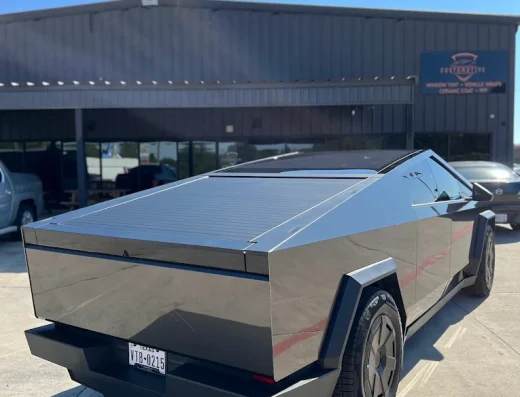
Automotive Window Tinting in Houston, TX
Getting into a car parked in a Houston parking lot in August isn’t just uncomfortable; it’s physically painful. You open the door, and that blast of 140-degree air hits you in the face. You can’t touch the steering wheel without burning your palm, and if you’re wearing shorts, sitting on black leather seats is a serious mistake.
Why Tint is Survival Gear, Not Just Aesthetics
In some parts of the country, window tint is just for looks. Here, it’s practically a medical necessity. When you are stuck in stop-and-go traffic on I-10 or the Southwest Freeway at 5:00 PM, the sun is beating directly through your side window. Your AC can be blasting on max, but if your glass isn’t blocking the heat transfer, the left side of your body is still going to be sweating.
Standard factory "privacy glass" (the dark glass on the back of trucks and SUVs) is just dyed glass. It offers privacy, but it does almost nothing to stop the heat. That’s why you still feel like you’re baking even in a dark car.
Texas Tint Laws: What You Can Actually Install
Texas law is specific, and inspection stations in Harris County check it.
-
Front Windows: You are legally limited to 25% Visible Light Transmission (VLT). That means 25% of the light must get through.
-
Back Windows: You can go as dark as you want (Limo tint/5%) on the rear windows, provided you have side mirrors.
-
Windshield: You can only do a strip (the "brow") across the top 5 inches. However, many people are now installing a clear (70-80%) ceramic film on the full windshield. You can’t see it, but it creates a massive heat barrier for the biggest piece of glass on your car.
Realistic Pricing for Houston Tint
If you see a sign on the side of the road offering "$99 Full Tint," keep driving. That is the bubbling purple stuff.
-
Standard Carbon Film ($200 - $350): Good color stability, won't turn purple, decent heat rejection.
-
Ceramic Film ($400 - $800+): The best performance. The price jumps because the film material itself is expensive to manufacture. Top-tier brands like XPEL, 3M, or Llumar command higher prices because they actually perform.
Finding a Clean Install
The biggest enemy of tint is dust. In a dusty, pollen-heavy city like Houston, you need a shop that cuts their film on a plotter (computer-cut) rather than hand-cutting on your glass (which risks scratching your windows). You also want a shop with an enclosed, climate-controlled bay to keep the dust out while they install.
Compare Top Tint Shops on WrapMatchPro
We built WrapMatchPro to help you distinguish between the "parking lot installers" and the professional shops. You can filter by the type of film they carry (Ceramic vs. Carbon), read reviews from actual locals, and find a shop that offers a lifetime warranty against bubbling and peeling. Don't settle for the cheapest option; get the heat rejection you actually need.