
How Much Does It Cost to Wrap a Jeep Wrangler? (2026 Guide)
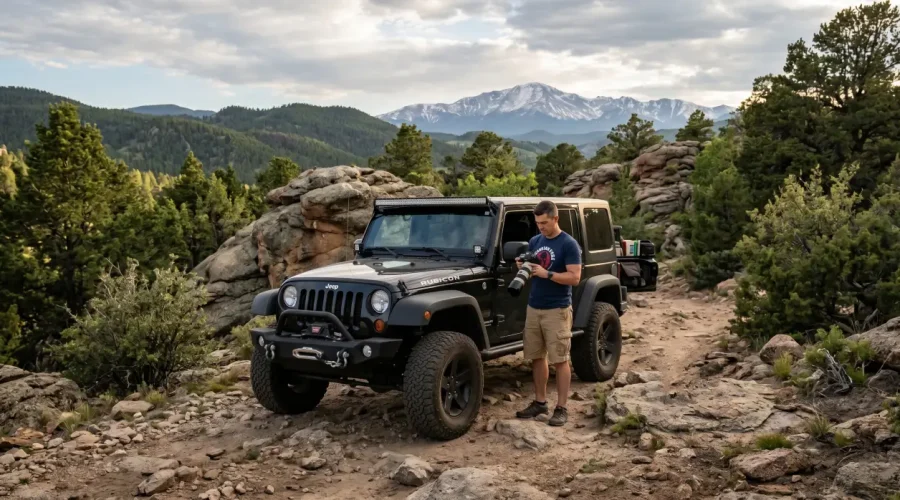
A Wrangler is not a show car. Nobody is wrapping a JL Rubicon to cruise car shows — they’re doing it because Mopar’s factory palette runs about eight colors deep and none of them are matte olive drab. The Wrangler community has quietly become one of the biggest wrap markets in the country, driven by owners who want military-inspired tones, custom trail rigs, or just something that doesn’t look like every other Gobi or Sarge Green in the parking lot at Tread Lightly.
But wrapping a Wrangler isn’t the same as wrapping a sedan. Removable doors, textured fender flares, exposed hinges, and the reality that many of these trucks actually go off-road — all of it changes the math. This guide covers what it actually costs, what to expect, and where the Wrangler-specific pitfalls are.
Jeep Wrangler Wrap Cost by Body Style
Surface area drives wrap cost, and Wranglers come in three very different sizes:
| Model / Config | Partial (hood+fenders+roof) | Full Color Change | Matte / Satin Finish | Gladiator (adds bed) |
|---|---|---|---|---|
| Wrangler 2-door JL | $1,400–$2,000 | $2,400–$3,400 | $2,800–$3,800 | — |
| Wrangler 4-door JL (Unlimited) | $1,600–$2,400 | $2,800–$4,000 | $3,200–$4,400 | — |
| Wrangler Rubicon 4-door (steel flares) | $1,800–$2,600 | $3,200–$4,400 | $3,600–$4,800 | — |
| Gladiator JT | $2,000–$2,800 | $3,400–$4,800 | $3,800–$5,200 | +$400–$600 (bed) |
A 2-door Wrangler is one of the cheaper vehicles to fully wrap — the body is compact and the panel layout is straightforward. The 4-door Unlimited adds roughly 30% more surface area. And the Gladiator’s truck bed tacks on another $400–$600 because that bed is a separate wrapping project unto itself.
For general wrap pricing factors, see the car wrap cost guide. Everything below is Wrangler-specific.
The Removable-Doors Question
This section won’t appear in any other vehicle guide we publish, because no other mainstream vehicle has doors that come off with four bolts.
Should you wrap with the doors on or off? Most experienced shops prefer doors off. Removing them gives the installer clean access to the door jambs and lets them wrap the edge work without fighting tight clearances. The result is usually cleaner and lasts longer.
Some owners don’t even realize door-off installation is an option. If your shop doesn’t mention it, bring it up.
The cost is roughly the same either way, though some shops charge $150–$250 extra for door-off work because it takes longer — they have to carefully remove and reinstall the doors, and the workspace layout changes. It’s worth the upcharge.
One more consideration: if you’re running aftermarket tube doors for summer trail use, your wrap plan changes entirely. Tube doors don’t get wrapped, so you’re essentially buying two looks — wrapped body with factory doors for winter, bare body panels visible behind tube doors in summer. Plan accordingly.
Fender Flares, Rock Rails, and What Doesn’t Get Wrapped
A Wrangler has more non-painted surface area than almost any mainstream vehicle. And that matters for wrap pricing because a lot of that surface isn’t getting wrapped at all.
Sport trim fender flares are textured black plastic. Most shops leave them unwrapped because vinyl doesn’t adhere well to that texture long-term, and painting them doesn’t look right either. This is actually a cost-saver — you’re not paying for material and labor on those panels.
Rubicon steel flares are a different story. They’re paintable (and painted from the factory), which means they wrap like any other metal panel. They also add surface area and complexity, which is why the Rubicon gets its own row in the cost matrix.
Rock rails, bumpers, and hinges are usually skipped. Steel bumpers, aftermarket rock sliders, and the exposed door and tailgate hinges don’t get wrapped. This means a “full wrap” on a Wrangler covers maybe 60–70% of the vehicle’s total exterior surface — and that’s completely normal.
Real partial-wrap strategy on a Wrangler can cover the main body panels (hood, doors, quarter panels, hardtop) for about 40% of the full-wrap cost. It’s a legitimate option, not a compromise.
Will a Wrap Survive Off-Roading?
This is the number one question in every Wrangler forum thread about wraps, and it deserves an honest answer rather than a sales pitch.
Trail use reduces wrap lifespan by 30–50%. That’s the reality. Here’s why:
Rocker panels take rock chips on every trail ride. Even with rock sliders, debris kicks up and impacts the lower body panels. Matte finishes are especially vulnerable because the textured surface traps dirt particles that act like sandpaper over time.
Desert sand abrades matte and satin finishes. If you’re in Moab or Arizona regularly, the fine particulate grit will dull a matte finish faster than city driving ever would.
Mud staining is permanent on some finishes. Dark mud with high mineral content can discolor lighter matte wraps permanently. Gloss finishes clean better because the smooth surface doesn’t trap pigment.
Check this guide or tips and tricks on taking care of a vinyl wrap
Recommendations by use case:
- Daily driver who never leaves pavement: Wrap whatever you want. Any finish will hold up fine.
- Mild fire roads and forest service roads: Avoid matte finishes. Gloss or satin clean up easier and resist abrasion better.
- Moab, Rubicon Trail, serious rock crawling: Consider clear PPF on the strike zones (rockers, lower doors, front fenders) and wrap the upper body panels. Or honestly — skip the wrap entirely and embrace the battle scars. Some trucks are built to get scratched.
Most Popular Wrangler Wrap Colors
Wrangler owners pick different colors than Tesla or Mustang owners. The preferences lean heavily toward tactical and outdoor aesthetics:
Matte Military Olive / Tactical Green — The most popular Wrangler wrap, period. Nothing else comes close. It gives every Wrangler an instant military-surplus look that photographs incredibly well on trails.
Matte Desert Tan / Coyote — Close second. Inspired by military Humvee paint, this one looks especially good on Rubicons and Gladiators with blacked-out accessories.
Gloss Black — Mainly chosen by owners replacing faded factory black on older JKs. A fresh gloss black wrap on a 2015 JK makes it look five years newer.
Hydrographic / Camo Patterns — Popular but divisive in the community. Full camo wraps are a love-it-or-hate-it proposition. Some owners go partial camo (hood and fenders only) as a compromise.
Satin Dark Gray / Gunmetal — A more subtle choice for owners who want something unique without going full tactical. Works well with bronze or gold wheels.
For more on specific finishes and colors, check out popular car wrap colors.
Pricing by Wrangler Generation
Not all Wranglers wrap the same. The generation matters:
JK (2007–2018): Simpler body lines, fewer creases. Generally the easiest and cheapest Wrangler to wrap. Most JK wraps fall at the low end of the price ranges above.
JL (2018–present): The current-generation Wrangler has more sculpted body lines and slightly more complex panel geometry. Expect to pay at the higher end of the ranges. The improvement in build quality from JK to JL is noticeable, which actually helps — better panel gaps mean cleaner vinyl application.
Pre-JK (TJ, YJ): These are rare as wrap clients. Most shops don’t have templates for TJ Wranglers, and the older body construction (mix of fiberglass and steel on some components) creates adhesion inconsistencies. If you own a TJ and want a wrap, call around — not every shop will take the job.
Finding a Wrangler-Experienced Installer
A Wrangler wrap is not a beginner project. The removable-door architecture, fender flare hardware, exposed hinges, and hardtop-to-body transitions all require experience that sedan-focused shops may not have.
When you’re evaluating shops, ask two questions: “How many Wranglers have you wrapped?” and “Do you prefer doors on or off?” If they hesitate on either answer, keep looking.
Strong Jeep markets with experienced wrap installers include Dallas, Atlanta, and Houston. Check our city directories for shops that specifically list Wrangler and truck experience.
Get a Quote
Frequently Asked Questions
How much does it cost to wrap a 2-door vs. 4-door Jeep Wrangler?
A full color-change wrap on a 2-door JL runs $2,400–$3,400, while a 4-door Unlimited costs $2,800–$4,000. The difference is roughly 25–30% more surface area on the 4-door. Premium finishes like matte or satin add $400–$600 to either configuration.
Will a vinyl wrap survive off-roading on my Wrangler?
It will survive, but trail use shortens lifespan by 30–50%. Rock chips on rocker panels are the main enemy. For moderate off-road use, choose gloss or satin over matte (easier to clean, more abrasion-resistant). For serious rock crawling, consider PPF on high-impact zones and wrap the rest.
Should I wrap with the doors on or off?
Most experienced shops prefer doors off for cleaner edge work around the jambs. It takes longer and some shops charge $150–$250 extra, but the result is visibly better. If your installer doesn’t offer door-off installation, it’s worth asking why.
Do wrap installers also wrap the fender flares?
It depends on the trim. Sport-trim textured plastic flares usually don’t get wrapped — vinyl doesn’t stick well to that surface long-term. Rubicon’s painted steel flares wrap like any other body panel. Your installer should walk you through what gets wrapped and what gets skipped during the estimate.
How long will a wrap last on a daily-driven Wrangler?
A daily-driven Wrangler that stays on pavement should get 5–7 years from a quality wrap. Add regular off-road use and that drops to 3–5 years. The rocker panels and lower door panels show wear first. For a deeper look at wrap lifespan factors, see our wrap lifespan guide.

